

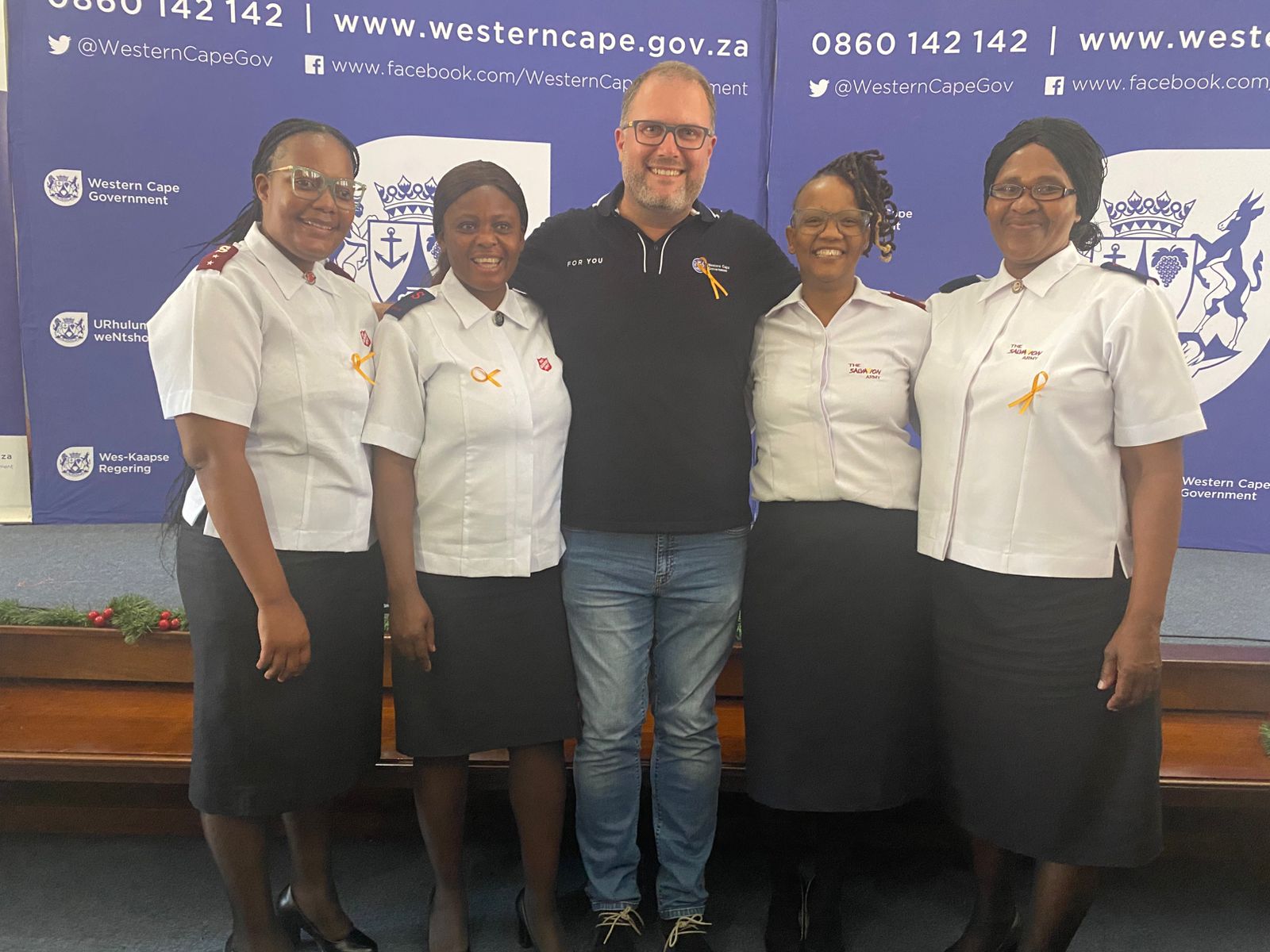
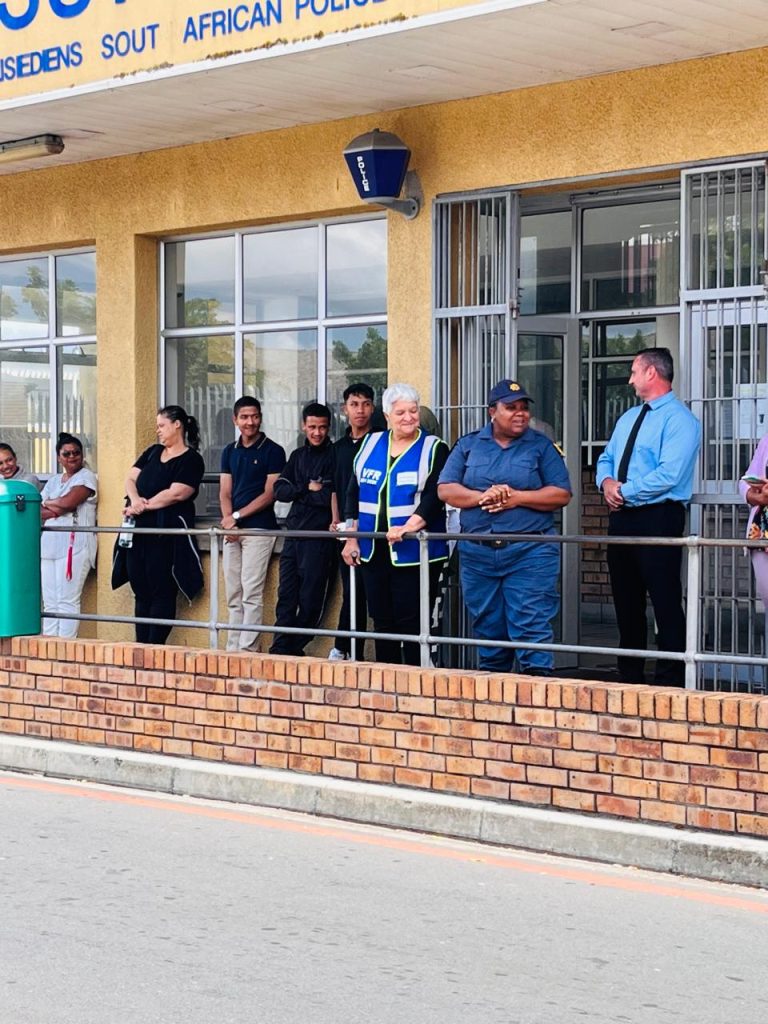
The Salvation Army Western Cape Division Gender-Based Violence (GBV) Campaign was an impactful and meaningful initiative aimed at raising awareness, fostering unity, and driving change in the fight against GBV. The campaign was launched on 25 November at the Grassy Park Police Station in partnership with Grassy Park Early Childhood Development (ECD), the Community Policing Forum (CPF), and the South African Police Service (SAPS). Through a series of events and activities, the campaign sought to empower communities, educate youth, and advocate for peace.
Campaign Activities
1. Event Launch:
The campaign commenced with a collaborative launch at Grassy Park Police Station. Representatives from Grassy Park Early Childhood Development Centre, the Community Policing Forum, SAPS, and other partners came together to highlight the importance of combating GBV. The launch united stakeholders in a shared vision of creating safer communities and standing in solidarity with GBV victims.
2. School Outreach: Laerskool Koos Sadie
As part of the campaign, a GBV awareness outreach was conducted at Laerskool Koos Sadie in Goodwood, aiming to educate and empower young girls. The sessions emphasized the importance of speaking out against GBV and bullying while encouraging both girls and boys to stand up for themselves and others. Additionally, the girls were educated on proper hygiene and self-care, equipping them with essential life skills. Each girl received a parcel containing sanitary towels.
3. Community Engagement in Manenberg:
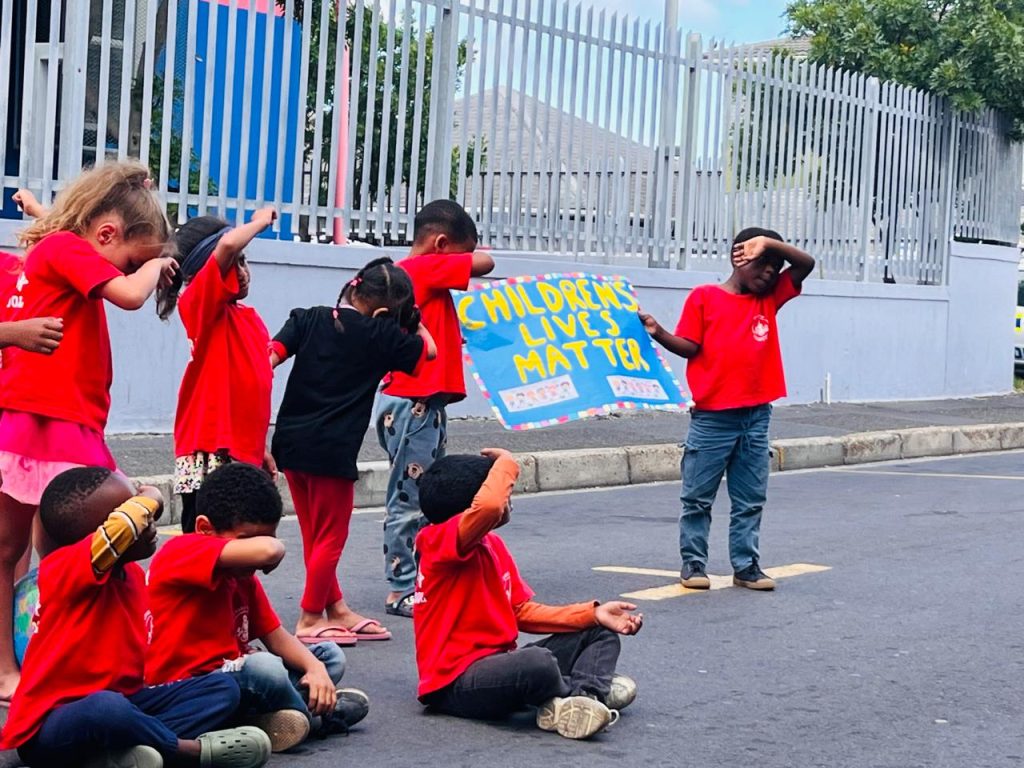
In the violence-prone community of Manenberg, a special session was held with the local Sunday School for boys and girls aged 8–11 years. The children were taught about the effects of GBV and bullying and were encouraged to become voices of peace and ambassadors of non-violence within their community. The session aimed to instill a sense of responsibility and inspire the youth to be agents of change in a challenging environment.
4. Prayer Walk for Peace: Ottery Community
A prayer walk was held in the Ottery community, focusing on areas deeply affected by violence and gunshots. Tragically, a child had recently lost their life in the area. Local pastors, CPF members, police officers, and community members visited two specific sections of the community, taking time to pray for healing, protection, and peace. The prayer walk was a moving demonstration of faith and hope, seeking to restore calm and unity in these troubled areas.
5. Acknowledging GBV Ambassadors:
The Department of Social Development (DSD) hosted a heartfelt session to celebrate and honour the GBV Ambassadors. During the session, the ambassadors reflected on their personal journeys and the impact of their work within their communities. Many tears of joy were shed as they looked back on their dedication to the cause. This moment of recognition reinforced their sense of purpose and inspired them to continue advocating for change.
The campaign was honoured by the presence of the Premier, who delivered an encouraging address. The Premier acknowledged the ambassadors for their commitment to responding to GBV in their communities, often sacrificing their own time and personal responsibilities to assist others. Their efforts were praised as a vital contribution to building stronger and safer communities.
6. Silent March:
The campaign concluded with a silent march along Klipfontein Road, ending at Balgravia Road. This impactful demonstration, organized in partnership with local churches, SAPS, CPF, and the Christian Women’s Action Organisation, was a powerful expression of solidarity with GBV victims. Onlookers cheered as participants marched in silence, demanding justice and raising awareness about GBV.
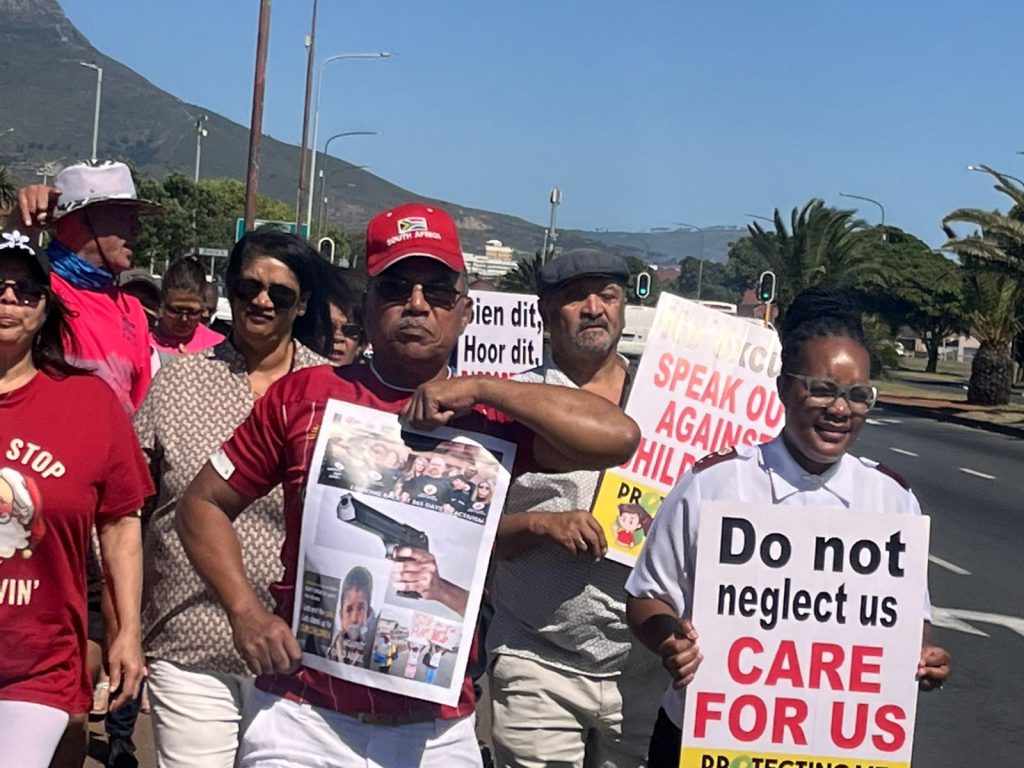
In conclusion, the GBV Campaign was a deeply transformative experience that brought together individuals and organizations united by a shared goal of combating gender-based violence. Each activity, from the prayer walk and school outreach to the silent march, played a crucial role in fostering awareness, promoting peace, and empowering communities.
Through education, prayer, and encouragement, the campaign emphasized the importance of collective action in creating safer spaces and a culture of non-violence. The emotional reflections of the GBV Ambassadors, the faith demonstrated during the prayer walk, and the public support during the silent march highlighted the spirit and determination of communities to stand together against GBV.
I believe this campaign not only raised awareness but also inspired hope and change, leaving a lasting impact on all those involved.