

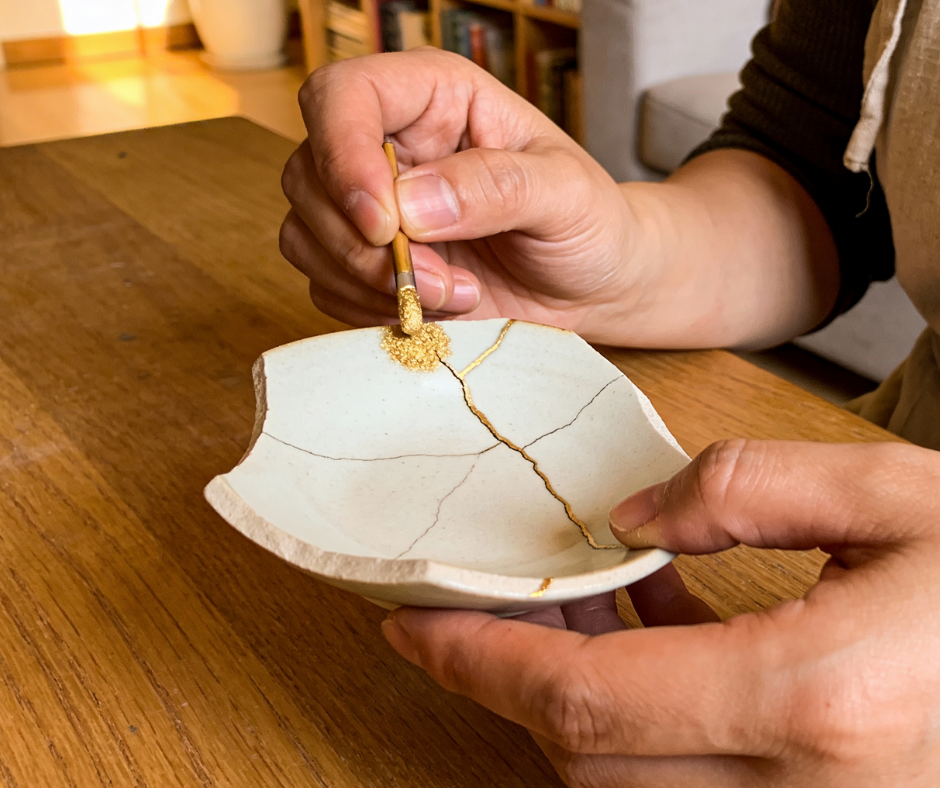
Restoration is one of the great themes in the Bible. God meets people in loss, failure, and exile, and leads them into hope and purpose. He rebuilds what has been torn down. He returns dignity where shame has settled. He creates community where isolation has taken hold. In this study we will trace restoration from the shepherd’s care to the promise of new creation, and shows how Jesus restores identity, relationships, and mission.
Begin beside still waters. Psalm 23:3 says, He restores my soul. The shepherd leads, refreshes, and guides. He restores the inner life where fear and confusion can cloud the path. This verse belongs in our study because restoration starts in the heart. Often before plans change and circumstances shift, God renews the person within.
Joel 2:25-27 speaks to people who have seen years consumed by locusts and by their own decisions. God promises to restore the years that have been lost. He brings harvest again and reassures His people that He is with them. This passage teaches that restoration touches time itself. God can redeem seasons that felt wasted and write a future where fruit begins to grow again.
Jeremiah 30:17 speaks to a wounded nation that has known shame and scattering. God declares healing over their hurts and promises to restore their health and their sense of identity. This passage reminds us that restoration reaches far beyond inner emotion. It touches public reputation, community life, and the places where people have felt exposed or forgotten.
Now walk with Jesus through real places. In John 4:4-30, Jesus meets a woman at a well in Samaria. She carries a complicated story and a thirsty heart. Jesus offers living water and speaks truth with grace. She leaves her jar and returns to her town with a new voice. Many believe because of her testimony. Restoration gives her courage to speak and a community that welcomes her. This passage shows Jesus restoring dignity and purpose.
Luke 19:1-10 presents Zacchaeus, a tax collector known for taking. Jesus calls him by name and chooses to stay at his house. Zacchaeus responds with repentance and restitution. Salvation comes to his home. Restoration changes his relationship with money and with people. This verse belongs here because restoration includes practical change and public witness.
Mark 5:1-20 opens with a man living among tombs, tormented and alone. Jesus frees him and restores him to his right mind. He longs to travel with Jesus, but Jesus sends him home to tell what God has done. Restoration returns him to community and gives him a mission. This passage teaches that restoration includes a new way of life and a calling to share good news.
The early Church became a place where restoration was lived out daily. Acts 2:42-47 describes a community devoted to teaching, fellowship, breaking bread, and prayer. Needs are met. Joy is shared. The Lord adds to their number. This passage is important because it shows restoration forms a new culture. Scarcity gives way to generosity. Isolation gives way to fellowship.
Galatians 6:1 offers guidance to believers who are walking with someone who has stumbled. Paul urges them to restore such a person with gentleness, staying mindful of their own vulnerability and supporting one another through shared burdens. This passage paints a clear picture of restoration in pastoral care. It is careful, kind, and honest. It lifts rather than crushes.
Colossians 1:19-20 shows that God’s work of restoration is far bigger than our individual stories. Through the cross, God brings people back to Himself and begins the healing of what has been broken. The whole world will be fully renewed when Christ returns, but even now our personal restoration is part of the work God is doing in His creation. This verse gives us hope and reminds us that our steps of restoration are included in God’s greater plan.
Revelation 21:1-5 reveals a renewed heaven and earth. God dwelling with His people. Tears are wiped away. Death is gone. Behold, He makes all things new. These verses give the final picture. Restoration today is a foretaste of the future that God has promised.
Romans 8:18-23 speaks of present groaning and future glory. Creation waits. We wait. The Spirit within us is both comfort and guarantee. These verses helps us hold patience and hope together. We live in the tension where God is already restoring and where full renewal is yet to come.
So how do we practise restoration in daily life? Speak truth with kindness. Offer practical help to those in need. Invite people to your table. Pray with those who feel disqualified by failure. Celebrate small steps. Encourage testimonies. Build a gentle culture where confession is met with grace and where growth is nurtured over time.
Questions for reflection:
Which years would you ask God to restore?
Where is Jesus inviting you to return to community?
How can your Corps become a place where burdens are shared and voices are heard?